
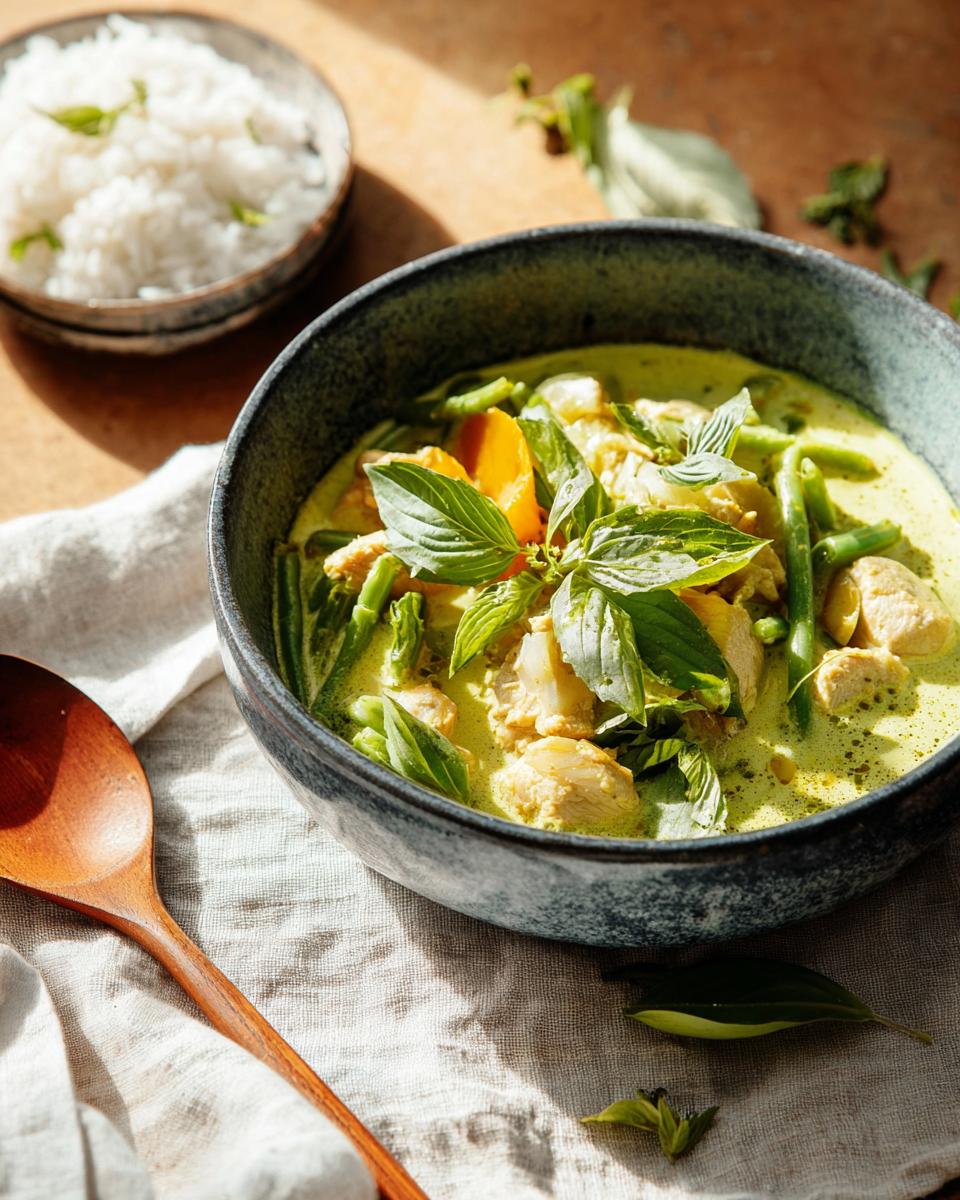
I’m about to share my go-to recipe for Lemongrass Chicken Green Curry, and trust me, it’s a game-changer. The moment that fresh lemongrass hits the hot oil alongside the fragrant green curry paste, your kitchen fills with the most incredible aroma—it’s like stepping into a street food stall in Bangkok. I learned this recipe during a cooking class in Chiang Mai, where the chef taught me the secret to balancing those punchy, vibrant flavors: never rush the paste, and always taste as you go. What I love most about this version is that it delivers that authentic, layered taste without spending hours in the kitchen. You can have a bowl of creamy, fragrant curry on the table in just 35 minutes. It’s become my absolute favorite weeknight dinner that feels like a special occasion. I promise, once you try it, you’ll be making it on repeat.
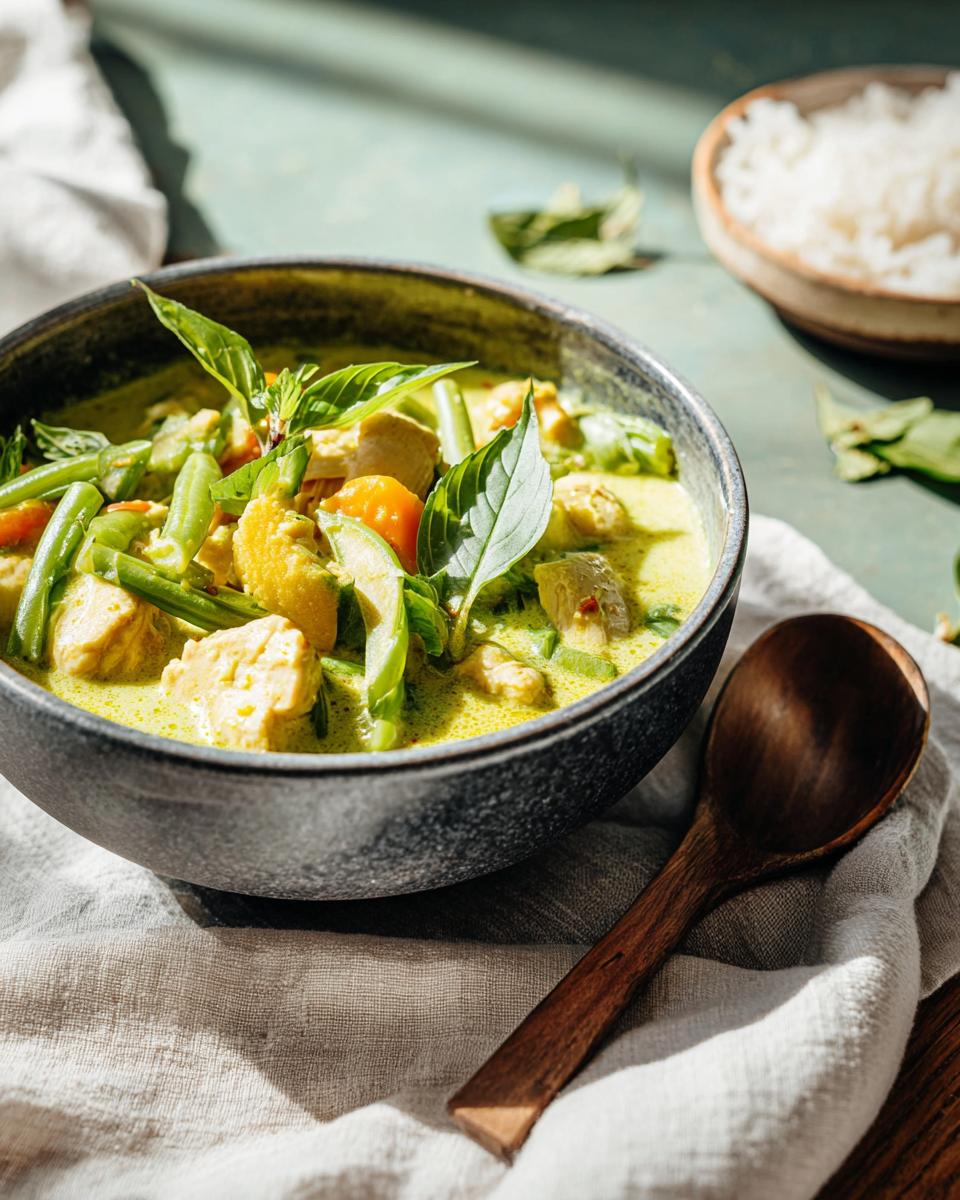
Why You Will Love This Lemongrass Chicken Green Curry
Let me tell you why this is my absolute favorite weeknight curry. It checks all the right boxes for me, and I think it will for you too:
- It’s ridiculously fast. From start to finish, you’re looking at just 35 minutes. That’s faster than ordering takeout, and way more rewarding.
- The flavor is unreal. That fresh lemongrass, combined with the green curry paste and coconut milk, creates this deep, aromatic broth that tastes like it’s been simmering for hours.
- That fresh lemongrass aroma. Honestly, the smell alone as it cooks is enough to make your mouth water. It fills your whole kitchen and makes you feel like a total pro.
- No fuss, big payoff. Simple ingredients, one pot, and you get a creamy, satisfying curry that feels way more special than the effort it takes.
Ingredients for Lemongrass Chicken Green Curry
Let me walk you through exactly what you’ll need. I’ve tested this so many times, and these specific choices make all the difference. You’ll find most of these at any well-stocked grocery store, but a quick trip to an Asian market will get you the real deal.
- 2 tablespoons green curry paste – I use store-bought for convenience, and my go-to is Maesri brand. It’s punchy and authentic. If you’re sensitive to spice, start with a little less.
- 1 can (400 ml) full-fat coconut milk – Don’t even think about using light coconut milk here. The fat is what gives the sauce that silky, luxurious texture. I love Chaokoh or Aroy-D.
- 300 grams chicken breast, sliced – Slice it against the grain into thin strips so it cooks quickly and stays tender.
- 2 stalks lemongrass, bruised and cut into 2-inch pieces – Bruising means smacking it with the back of your knife to release those essential oils. Trust me, that’s where the magic lives.
- 1 cup green beans, trimmed – I snap them into bite-sized pieces. They add a lovely crunch and soak up the curry beautifully.
- 1 tablespoon fish sauce – This is your salt and umami bomb. I like Three Crabs or Squid brand.
- 1 teaspoon brown sugar – Just a touch to balance the heat and salt. Palm sugar is traditional, but brown sugar works perfectly.
- 4 kaffir lime leaves, torn – Tearing them releases that incredible citrusy perfume. Don’t skip them—they’re irreplaceable.
- 1/2 cup Thai basil leaves – Stirred in at the end, they add a peppery, anise-like freshness that makes the curry sing.
- 1 tablespoon vegetable oil – Any neutral oil works. I use canola or grapeseed.
Key Ingredient Notes
Each of these ingredients plays a starring role. Here’s why they matter:
- Lemongrass – It’s the backbone of the aroma. Bruising and leaving it in big pieces lets you infuse the curry without having to fish out tiny bits later. You’ll smell it the moment it hits the oil.
- Kaffir lime leaves – They bring a bright, zesty citrus note that cuts through the richness of the coconut milk. I always keep a bag in my freezer—they last forever.
- Fish sauce – Don’t be scared of the smell! It adds a deep savory saltiness that makes the curry taste complex and authentic. Start with one tablespoon and adjust at the end.
- Brown sugar – A little sweetness rounds out the heat and salt. It’s the secret to that perfectly balanced, restaurant-style finish.
How to Prepare This Lemongrass Chicken Green Curry
Alright, let’s get cooking! This comes together faster than you’d think, but a few little tricks make all the difference. I’ll walk you through each step so you feel like you’re right there with me in the kitchen.
Start by heating that tablespoon of vegetable oil in a wok or large skillet over medium heat. Once it’s shimmering, add your green curry paste. Here’s the big one: fry it for exactly 1 minute, stirring constantly. You’ll know it’s ready when the smell hits you—that deep, spicy, herbal fragrance. This step wakes up the paste and builds the flavor base. Don’t rush it!
Now, pour in half of the coconut milk. This is a classic Thai trick—adding just half first helps “split” the coconut milk, which means the fat separates slightly and coats the paste, releasing even more of its flavor. Stir it around and let it cook for 2 minutes. You’ll see the oil start to glisten on top. That’s exactly what you want.
Next, add your sliced chicken, the bruised lemongrass pieces, and the torn kaffir lime leaves. Cook for about 5 minutes, stirring occasionally, until the chicken is mostly opaque on the outside. Don’t worry about cooking it through completely—it’ll finish in the simmer.
Pour in the rest of the coconut milk, then add the trimmed green beans, fish sauce, and brown sugar. Bring it to a gentle simmer—not a rolling boil! Boiling can make the chicken tough and the sauce separate. Let it simmer for 10 minutes, just until the chicken is cooked through and the green beans are tender but still have a little bite.
Finally, take the pan off the heat. This is crucial: stir in the Thai basil leaves now. The residual heat will wilt them perfectly without losing that fresh, peppery flavor. Give it one last stir, taste, and adjust the fish sauce or sugar if needed. Serve it over steamed rice, and you’re in for a treat.
Tips for the Perfect Lemongrass Chicken Green Curry
I’ve made this curry more times than I can count, and I’ve picked up a few tricks along the way that make all the difference. Here’s what I’ve learned:
Don’t skip bruising the lemongrass. I know it seems like an extra step, but smacking those stalks with the back of your knife (or a rolling pin if you’re feeling dramatic) releases the essential oils locked inside. You’ll smell it instantly, and that fragrance is what makes this Lemongrass Chicken Green Curry so special.
Watch your spice level. Green curry paste can vary wildly between brands. If you’re sensitive to heat, start with just one tablespoon and add more toward the end. You can always kick it up, but you can’t take it out!
Taste and adjust at the end. This is the most important tip I can give you. After the curry simmers, give it a taste. Need more salt? Add a splash of fish sauce. Too sharp? A pinch more brown sugar will round it out. Trust your palate—it knows what it wants.
One more thing: the curry will thicken as it sits, especially after you take it off the heat. If you’re not serving it right away, just add a splash of water or coconut milk when you reheat it to bring it back to that perfect saucy consistency.
Variations for Your Lemongrass Chicken Green Curry
One of the things I love about this Lemongrass Chicken Green Curry is how flexible it is. Don’t have green beans? No problem! Swap them for bamboo shoots, sliced bell peppers, or zucchini. I’ve even thrown in broccoli florets or snap peas when I needed to clean out the fridge—they all work beautifully.
Want to switch up the protein? Go for it! Shrimp cooks in just a couple of minutes, so add them at the very end. Firm tofu is another favorite of mine—just pan-fry it first for a crispy edge, then stir it in. The curry is so forgiving, you can really make it your own. That’s the beauty of a good Thai curry—it’s a template, not a strict rulebook. Experiment and see what you love!
Serving Suggestions
I always serve this curry with a big bowl of fluffy jasmine rice—it’s the perfect vehicle for soaking up all that creamy, fragrant sauce. Sticky rice works beautifully too, especially if you want to eat it with your hands like they do in northern Thailand. For a fresh contrast, I love a simple cucumber salad on the side: just sliced cucumbers, a splash of rice vinegar, a pinch of sugar, and some fresh cilantro. The cool crunch balances the rich curry perfectly. Trust me, that combination is pure magic.
Storage and Reheating Instructions
If you’re lucky enough to have leftovers—which honestly doesn’t happen often in my house—here’s how to keep that curry tasting amazing. Let it cool completely first, then transfer it to an airtight container. It’ll keep in the fridge for up to 3 days, and honestly, the flavors get even better overnight as they meld together.
When you’re ready for round two, reheat it gently. I prefer the stovetop over medium-low heat, stirring now and then until it’s warmed through. If the sauce has thickened up (which it will, thanks to that coconut milk), just splash in a little water or extra coconut milk to loosen it back up. Microwaving works in a pinch too—just do it in 30-second bursts and stir between each. Don’t rush it with high heat, or the chicken might get tough. A little patience goes a long way here!
Frequently Asked Questions About This Lemongrass Chicken Green Curry
I get asked a lot of questions about this Lemongrass Chicken Green Curry, especially from folks who are new to cooking Thai food at home. Here are the ones that pop up most often—along with my honest answers from years of making it.
Can I use dried lemongrass instead of fresh?
Look, I’ll be straight with you: fresh lemongrass is absolutely best here. That’s where the magic aroma comes from. But if you’re in a pinch and all you have is dried, you can make it work. Use about half the amount the recipe calls for, and soak it in warm water for 10–15 minutes first to rehydrate it a bit. Just know that the flavor won’t be quite as bright and punchy. Honestly, fresh lemongrass keeps for ages in the fridge, so I always grab a few stalks when I see them.
Is this Lemongrass Chicken Green Curry very spicy?
That really depends on your Thai green curry paste. Different brands have totally different heat levels. Some are mild and aromatic, others will light you up! My best advice is to start with just 1 tablespoon of paste, then taste the curry after it simmers and add more if you want more heat. You can always amp it up, but you can’t take it back. I’ve learned that lesson the hard way—trust me on this one.
Can I make this curry dairy-free and gluten-free?
Yes, absolutely! As written, this curry is naturally both dairy-free and gluten-free. The only thing you need to watch out for is your green curry paste. Some brands sneak in additives or thickeners that might contain gluten. Just flip the jar over and check the label to be safe. I use Maesri, and it’s always been fine. Otherwise, coconut milk, fish sauce, and all the fresh ingredients are naturally free of both, so you’re good to go.
What can I substitute for fish sauce?
If you’re out of fish sauce or need a vegetarian version, soy sauce or tamari works in a pinch. Just use it sparingly—start with half the amount and taste your way up. I won’t lie though, the flavor will be different. Fish sauce has that unique funky, savory depth that’s hard to replicate. If you can find a good vegan fish sauce at an Asian market, that’s your best bet for keeping the authentic taste alive.
Nutritional Information
I’ve included the nutrition facts above as a general guide, but keep in mind they’re just estimates. The actual numbers will shift depending on the exact brands you use—especially your coconut milk and curry paste—plus any swaps you make. I’m not a dietitian, so please don’t treat this as professional advice. If you have specific dietary needs, it’s always smart to run the numbers through your own tracker. That way you know exactly what’s in your bowl!
Your Turn to Make This Lemongrass Chicken Green Curry
Alright, now it’s your turn to bring this into your kitchen! I’d love to hear how your Lemongrass Chicken Green Curry turns out. Drop a comment below and let me know—did you make any swaps? How did the flavors come together for you? And if you loved it as much as I do, give it a rating so others know it’s worth trying. I read every single comment, and nothing makes my day like hearing about your curry success. Happy cooking, friend!
Print
5 Tips for Perfect Lemongrass Chicken Green Curry
- Total Time: 35 minutes
- Yield: 4 servings 1x
- Diet: Gluten Free
Description
A fragrant Thai green curry with tender chicken and fresh lemongrass. You can prepare it in under an hour.
Ingredients
- 2 tablespoons green curry paste
- 1 can (400 ml) coconut milk
- 300 grams chicken breast, sliced
- 2 stalks lemongrass, bruised and cut into 2-inch pieces
- 1 cup green beans, trimmed
- 1 tablespoon fish sauce
- 1 teaspoon brown sugar
- 4 kaffir lime leaves, torn
- 1/2 cup Thai basil leaves
- 1 tablespoon vegetable oil
Instructions
- Heat oil in a wok over medium heat. Fry the green curry paste for 1 minute until fragrant.
- Add half the coconut milk. Stir and cook for 2 minutes.
- Add chicken, lemongrass, and kaffir lime leaves. Cook for 5 minutes, stirring occasionally.
- Pour in the remaining coconut milk. Add green beans, fish sauce, and sugar. Simmer for 10 minutes.
- Remove from heat. Stir in Thai basil leaves. Serve with steamed rice.
Notes
- Adjust fish sauce and sugar to your taste.
- Use fresh lemongrass for best flavor.
- You can substitute green beans with other vegetables.
- Prep Time: 15 minutes
- Cook Time: 20 minutes
- Category: Main Course
- Method: Stovetop
- Cuisine: Thai
Nutrition
- Serving Size: 1 serving (about 1.5 cups)
- Calories: 380
- Sugar: 4 g
- Sodium: 720 mg
- Fat: 24 g
- Saturated Fat: 16 g
- Unsaturated Fat: 6 g
- Trans Fat: 0 g
- Carbohydrates: 10 g
- Fiber: 2 g
- Protein: 28 g
- Cholesterol: 75 mg